
How to Stop Impulse Spending Without Relying on Willpower
Saved cards, one-tap checkout and personalised ads are engineered to remove the pause between wanting and buying. Putting that pause back works better than resolving to try harder.
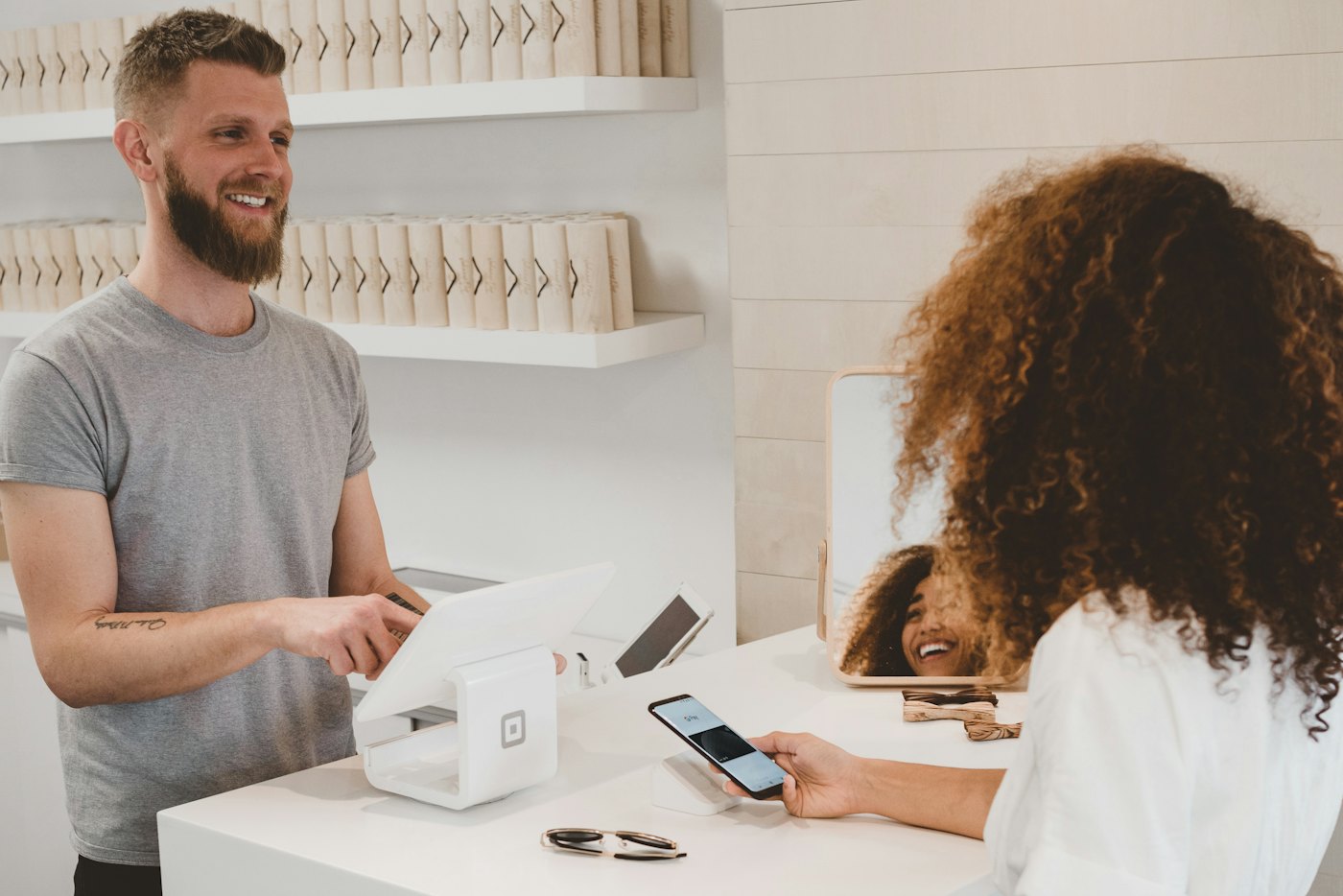
Impulse spending is usually framed as a discipline problem. It is more useful to treat it as a design problem, because the environment is designed — saved cards, one-tap checkout, personalised ads, countdown timers, free returns. Each removes a little of the pause between wanting something and owning it.
You cannot out-discipline a system built by people whose job is to remove that pause. You can put the pause back.
Seven changes, in order of effect
1. Delete saved cards
From every browser, phone wallet and retail app. Having to fetch the physical card is a small barrier, and a large share of impulse purchases do not survive it. This single change does more than the other six combined.
2. Turn off the notifications
Sale alerts, restock alerts, abandoned-cart emails. These are not information, they are prompts engineered to arrive when you are bored. Unsubscribing takes ten minutes and removes the trigger rather than fighting it.
3. Keep a 72-hour list
Anything non-essential goes on a list with the date. After three days, buy it if you still want it. Most entries never get bought, and the ones that do feel like decisions rather than reflexes.
4. Give yourself a real fun budget
A plan with zero discretionary spending fails, and it fails as a binge. Name the amount, put it in its own account, and spend it without guilt. This is the “wants” line in the 50/30/20 split, and it is doing a job.
5. Unfollow the feeds that sell to you
Not all of them — the ones you can name, where you have bought something you did not plan to. Shopping content works the way it is supposed to.
6. Shop with a list, and eat first
An old piece of advice that survives because it holds up. Grocery spending rises measurably when shopping hungry or without a list.
7. Put a number on the trade
Not “$60” but “a fifth of this month's savings”. Money is easier to spend when it is abstract. Converting it into something you are already working towards makes the comparison concrete.
What to do about the trigger, not the purchase
Most impulse spending clusters around specific states rather than specific items.
| Trigger | What usually happens | What helps |
|---|---|---|
| Bored, scrolling in the evening | Browsing becomes buying | Phone out of reach; apps deleted, not just logged out |
| Stressed or upset | A purchase as relief | Name it in the moment; the relief fades faster than the balance |
| Celebrating something | “I've earned this” | Plan a reward in advance, from the fun budget |
| A genuine sale | Buying to save money | Would you have bought it at full price this week? |
| Social pressure | Matching what others spend | Decide the amount before arriving |
Measure it, quietly
For one month, tag every non-essential purchase in your banking app. Do not try to change anything — just look at the total at the end of the month.
Most people find the number is two to three times their estimate, and that gap is more motivating than any rule. Put the real figure into the budget planner in the Money Dashboard as your wants line, then decide what it should be.
When it is more than habit
If spending is being used to manage anxiety or low mood, or if it is causing debt you are hiding, the budget is the wrong tool for it. That is worth talking to someone about — a doctor, or a free debt advice service in your country. There is no shame in it, and a spreadsheet is not the fix.
Frequently asked questions
How do I stop impulse buying?
Add friction rather than willpower. Remove saved cards from browsers and apps, turn off retail notifications, and keep a list where anything non-essential waits 72 hours before you are allowed to buy it.
Does the 30-day rule work for impulse spending?
Thirty days is long enough that most people abandon the list rather than the purchase. Seventy-two hours removes most impulse buys while still being short enough to actually use.
Why do I spend more with a card than with cash?
Paying with a card removes the moment of handing money over, so the cost registers less strongly. That is also why envelope budgeting helps in the categories where it fits.
This guide is general information, not personal financial advice. Figures are illustrative and were last verified in October 2026. Rates and thresholds change — check current figures with the provider before acting. See our full disclaimer.